How Digital Guidebooks Reduce Guest Questions by Up to 50%
Industry surveys consistently show that the majority of guest questions fall into predictable categories: Wi-Fi access, parking logistics, appliance instructions, and local recommendations.
Operators implementing structured digital guidebooks frequently report 30-50% reductions in repetitive messaging. The reason is simple: centralized, searchable information reduces dependency on host response.
What Makes an Effective Guidebook
Not all guidebooks are created equal. The ones that actually reduce message volume share the same structural qualities:
01
Mobile-Optimized
Guests access guidebooks on their phones. Content must be readable, fast-loading, and easy to navigate on a small screen.
02
Visual Instructions
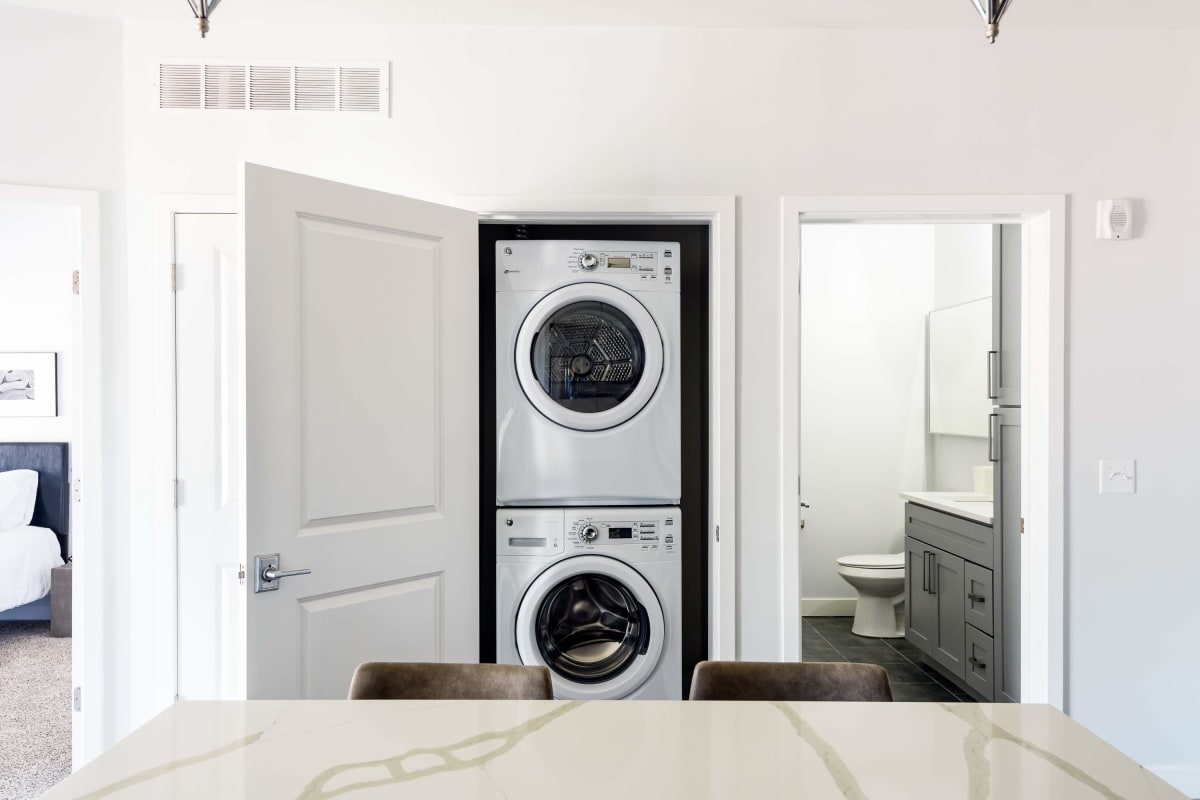
Photos and diagrams for appliances, entry systems, and parking reduce confusion far more effectively than text alone.
03
Organized by Category
Guests looking for Wi-Fi shouldn't have to scroll past checkout instructions. Clear categories make self-service frictionless.
04
Delivered Proactively
Guidebooks sent via automated pre-arrival messaging get read. Ones buried in a listing description often don't.
According to hospitality UX research, guests are 60% more likely to self-serve information when content is formatted clearly with visuals rather than dense text.
Reducing repetitive inquiries improves operational efficiency and shortens response times for more complex guest needs.
Built for structured guest journey automation.
Guestwise integrates digital guidebooks directly into automated guest journeys for maximum visibility and impact.